
Innovation: Sistema di filtraggio a separazione spaziale negli impianti di Depurazione molluschi
Shellfish purification
Il filtro biologico è una componente fondamentale di un impianto di depurazione molluschi. Il filtro presente nell’impianto di depurazione molluschi permette di eliminare le sostanze organiche, inorganiche e particellate nocive trasformandole in prodotti più o meno innocui per piante e animali. Più esteso è il filtro e maggiore sarà la capacità di filtraggio.
Il filtro classico normalmente viene realizzato in un bins riempito di sabbia e lane di vario tipo, e svolge simultaneamente e nello stesso compartimento 2 tipi di filtrazioni: meccanica e biologica.
Per filtro meccanico intendiamo quel sistema che serve a togliere fisicamente impurità dall’acqua, in modo da renderla “limpida” e togliere, so, eventuale torbidità data da particelle in sospensione di medie/grosse dimensioni.
Per filtro biologico si intende, invece, un sistema volto a depurare l’acqua dalle sostanze tossiche per gli animali ospitati, utilizzando tecnologie basate principalmente sull’attività biologica di microorganismi, principalmente batteri, in particolare Nitrosomonas e Nitrobacter.
Grazie a questi microscopici organismi, l’acqua che circola nel nostro impianto viene rapidamente depurata da alcune sostanze molto pericolose, prodotte dagli animali stessi (principalmente ammoniaca NH3 e nitriti NO2) che altrimenti potrebbero raggiungere livelli letali per i prodotti presenti nell’impianto.
L‘ammoniaca infatti, è una molecola particolarmente tossica se presente nella sua forma indissociata NH3, mentre lo è meno se è presente nella sua forma dissociata NH4+ (ione ammonio). Per consentire un efficace abbattimento dell’ammoniaca, l’acqua deve scorrere nel vano filtro dove dopo una filtrazione meccanica (di solito ottenuta mediante lana o spugne sintetiche); incontrerà la colonia dei batteri nitrificanti, quest’ultima dovrà essere di una biomassa adeguata per poter consumare in un unico passaggio tutta l’ammoniaca e tutti i nitriti che riceve dalla vasca.
Recenti studi hanno dimostrato che la percentuale di nitrificazione decresce all’aumento della concentrazione del materiale organico nel biofiltro. Infatti, questa condizione favorisce la crescita dei batteri eterotrofi che competono con i nitrificanti per lo spazio, per i nutrienti e per l’ossigeno; i batteri eterotrofi sono inoltre molto più adattabili dei nitrificanti e si moltiplicano ad un ritmo vertiginoso; ciò comporta un problema spesso sottovalutato nel tempo: il materiale che compone il filtro potrebbe venir totalmente colonizzato dai batteri eterotrofi riducendo, nel tempo, la capacità depurativa del filtro biologico.
Shellfish purification
In base a queste premesse Aquaquality ha introdotto nei suoi impianti un nuovo sistema di filtraggio per fare fronte ai 3 principali problemi riscontrati nei molti anni di lavoro sugli impianti CSM/CDM, ossia:
– quantità di ammoniaca (NH3), al di sopra delle soglie accettabili per la vita degli animali, che non presentavano una decrescita nel tempo;
– eventi improvvisi di intorbidimento, flocculazione e colorazioni anomale dell’acqua degli impianti con conseguente aumento della mortalità degli animali;
– difficoltà nella pulizia dei filtri (data l’enorme quantità di sabbia) e,Consequently, gli alti costi di gestione.
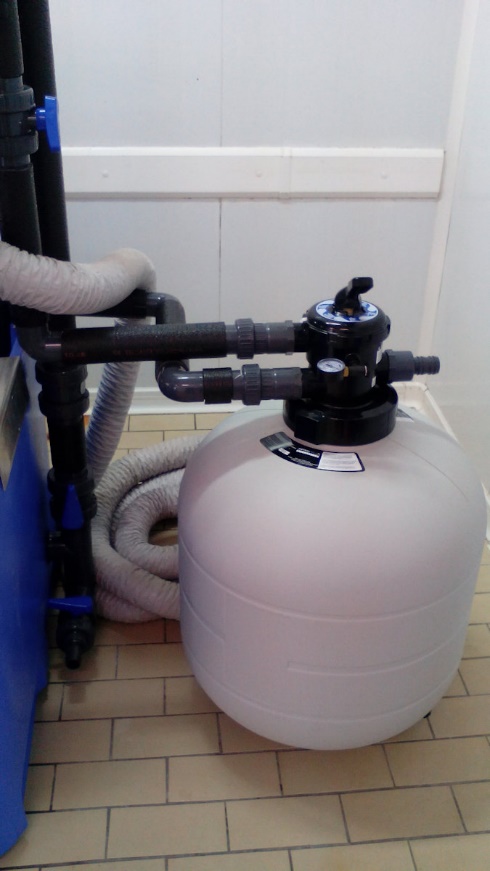
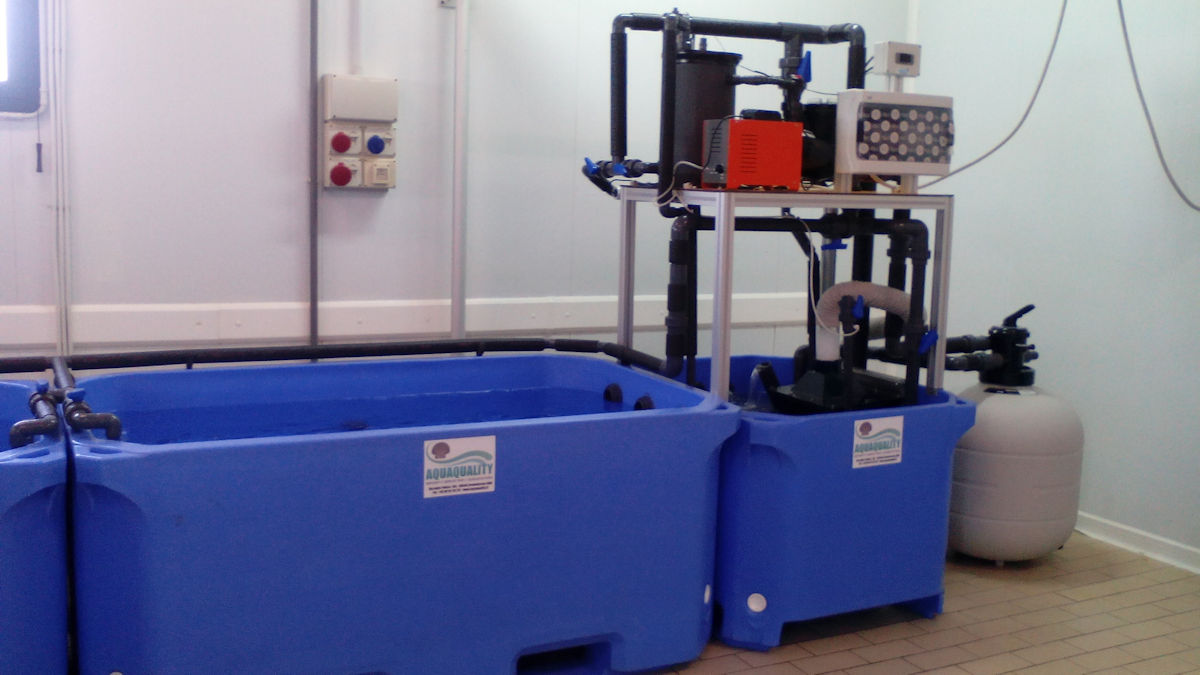
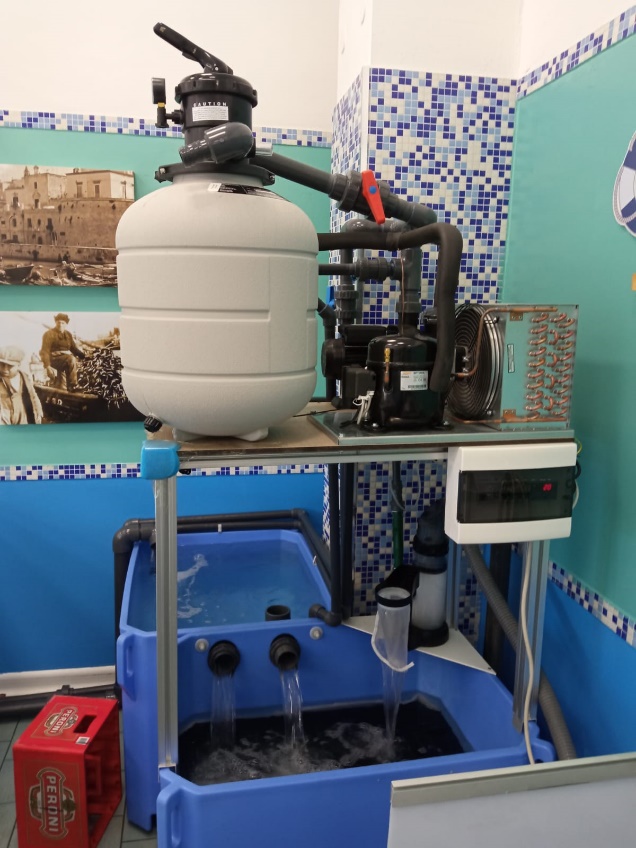
Per ovviare a tutto ciò Aquaquality, dopo vari studi analitici e prove sul campo, ha adottato il concetto di separazione spaziale dei filtri meccanici e biologici: all’interno bel bins di filtraggio vengono immessi pochi centimetri di sabbia e uno strato di lana, che vanno a fungere solamente da filtro meccanico; mentre il filtro biologico viene posizionato in filtri esterni alle vasche collegati all’impianto idraulico dello stesso.
L’aggiunti di questi filtri esterni agli impianti di depurazione molluschi porta due grande vantaggi: il primo deriva dall’utilizzo di materiale semiflottante ad alta superficie che permette di ospitare una quantità infinitamente maggiore di batteri riducendo al contempo lo spazio in cui essi si trovano (si aumenta di moltissime volte il rapporto superficie/volume), così da poter eliminare la totalità delle molecole nocive dall’acqua che percorre il filtro; mentre il secondo deriva dalle diverse condizioni ambientali in cui i batteri si trovano all’interno del filtro: non potendo la luce entrare in quest’ultimo, tutti quegli organismi a cui la luce serve per poter crescere e proliferare non potranno svilupparsi all’interno del filtro e, Furthermore, anche i batteri eterotrofi si troveranno svantaggiati rispetto agli azotofissatori.
Shellfish purification
Questo farà sì che la maggior parte dei batteri che troveremo nel filtro concorreranno alla riduzione dell’ammoniaca e alla riduzione di eventi di intorbidimento, flocculazione e colorazioni anomale dell’acqua, venendo quindi incontro alle esigenze del cliente, del prodotto e del mercato a cui si fa riferimento.
Inoltre la separazione spaziale dei filtri introdotta da Aquaquality nei suoi impianti di depurazione molluschi permette di avere costi di gestione ridotti e una semplificazione per quanto riguarda la manutenzione, in quanto:
– la quantità di sabbia nei bins dedicati alla filtrazione risulta dell’70% inferiore rispetto alla tipologia di filtrazione classica, e quindi la pulizia della stessa risulta semplificata e più rapida
– i filtri esterni, dove è contenuto il materiale filtrante semi flottante ad alta efficienza, presentano un sistema di pulizia in contro lavaggio che azzera quasi del tutto la manodopera e la complessità della manutenzione dei sistemi di filtraggio di tipo standard.